How to Start a GLP-1 Telehealth Business Online

GLP-1 has moved from a treatment category into a business category, and that shift creates a major opening in digital health. Here's how to build a real online clinic, one designed for compliance, fulfillment, retention, and durable growth, not just a landing page and a prescriber.
Key highlights
- GLP-1 demand is expanding fast, creating clear room for operator-led digital health growth.
- A strong telehealth business needs medical oversight, provider networks, pharmacy coordination, and disciplined execution.
- Your model should define who you serve, how care is delivered, and where revenue comes from.
- Technology matters: telehealth platforms, EHRs, and asynchronous messaging shape patient care and margins.
- Transparent pricing, branded positioning, and real value help weight-loss programs stand out.
- Scalable operations depend on trust, follow-up workflows, and reliable medication fulfillment.
Understanding the GLP-1 telehealth landscape
The GLP-1 market is growing because patient interest, clinical results, and digital health access are all moving in the same direction. Telehealth has made it easier to package evaluation, prescribing, follow-up, and medication fulfillment into one connected weight-loss program. That growth is also changing business models: operators now need flexible care delivery, broader provider networks, and stronger pharmacy relationships.
The growing demand for GLP-1 medications
GLP-1 medications gained traction because they address two major needs at once: diabetes care and chronic weight management. By supporting blood sugar regulation and appetite control, they've become central to a new class of weight-loss drugs with broad public awareness, and interest isn't slowing down even with supply pressure and cost concerns.
For operators, the first steps are clear: validate demand in your target market, define a compliant service model, and secure licensed providers who can perform medical evaluation and ongoing care. Without those foundations, growth stays shallow. With them, you can build a business designed for durable adoption.
Key drivers of the weight-loss telehealth market
Obesity carries heavy health and economic costs, so demand for practical weight-loss support isn't temporary, and digital health has reduced friction around access, follow-up, and delivery. Consumers want convenience, transparent pricing, and care that fits daily life, plus options that go beyond a one-time prescription. Key market drivers include:
- Strong interest in solutions that reduce body weight and support blood sugar control.
- Rising acceptance of telehealth for consultations, follow-ups, and messaging.
- Demand for simpler access models, including mail-order pharmacy fulfillment.
- Interest in broader health benefits and combination care beyond a basic prescription.
Common GLP-1 telehealth business models
Most operators enter through one of three models: a branded direct-to-consumer clinic, a white-label program layered onto an existing audience, or a provider-enabled service supported by outside partners. Each can work, but each carries different control points. If speed matters, white-label options reduce setup time; a fully owned model gives more control but takes more buildout.
| Model | Best fit | Core strength | Main tradeoff |
|---|---|---|---|
| Direct-to-consumer clinic | Brands seeking full ownership | Strong control over pricing and experience | Slower setup |
| White-label program | Operators needing a fast launch | Quick deployment and built-in workflows | Less flexibility |
| Provider-partner model | Medical practices or pharmacies | Clinical credibility and shared operations | Dependence on partners |
What you need to start
Launching takes more than demand generation. You need a legal structure, clinical oversight, operational systems, and reliable partners. Medical practices often move faster because they already understand patient care and provider management, but every operator must treat compliance as a core role, not an afterthought. Get legal advice before launch, since licenses, prescribing rules, and fulfillment shape your model from day one.
Technology: EHRs, platforms, and telehealth software
Your stack shapes both margin and patient experience. At a minimum, you need telehealth platforms that support intake, scheduling, messaging, and documentation, plus EHRs that connect clinical notes, prescriptions, and follow-up tasks so nothing gets lost between teams. The strongest setups also support asynchronous messaging, because many GLP-1 patients don't need a live visit for every touchpoint. The best platform is usually the one that combines speed with operational control.
Pharmacy relationships and medication fulfillment
Pharmacy relationships aren't back-office details; they're central to reliability, access, and retention. In a GLP-1 program, fulfillment affects speed, refill continuity, and patient trust, and if the pharmacy experience breaks, the rest of the model weakens fast. Evaluate pharmacy partners on:
- Their ability to support mail-order delivery and refill consistency.
- Their experience handling GLP-1 workflows and patient communication.
- Their role in reducing friction around costs, access, and renewals.
Step-by-step: launching your online GLP-1 clinic
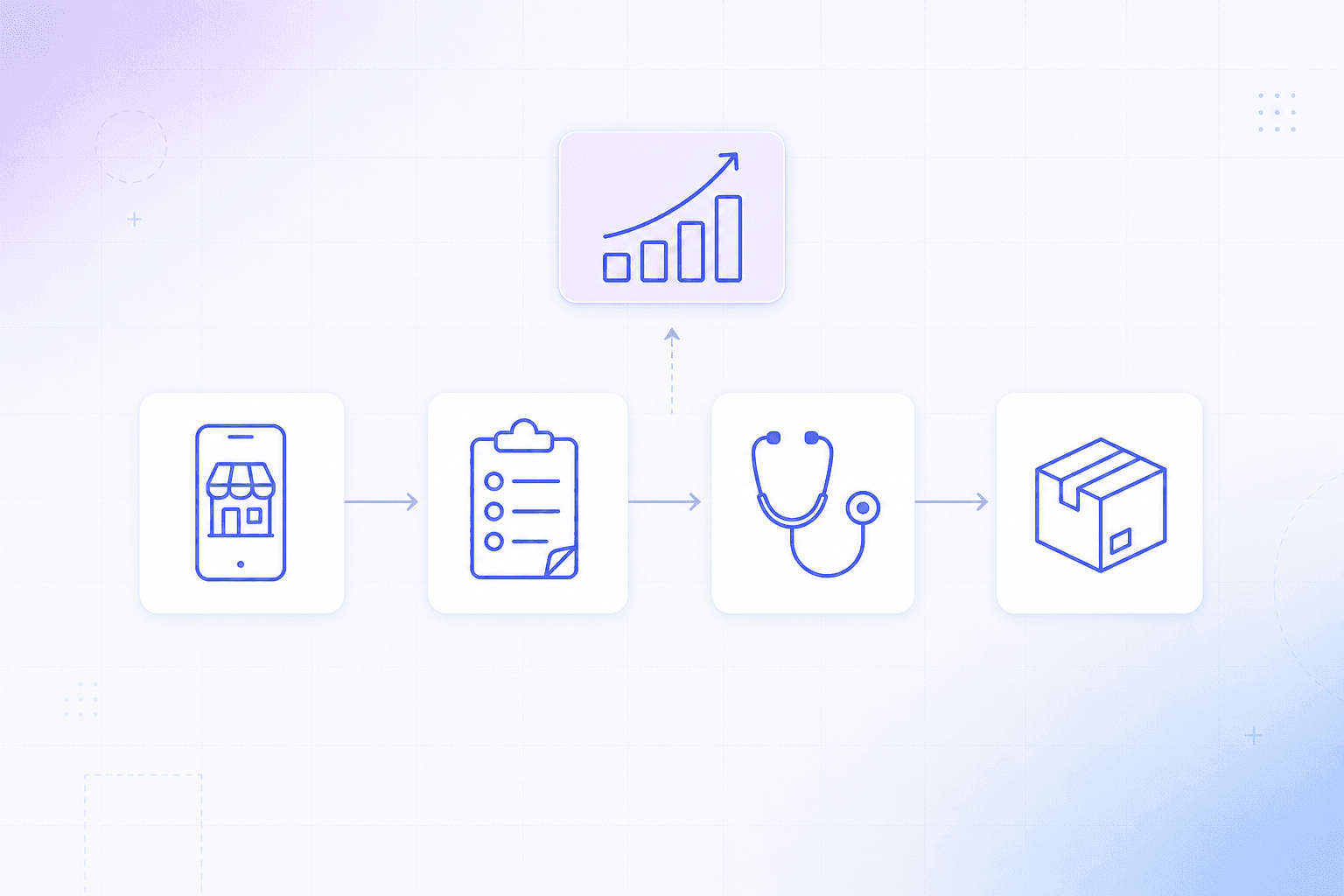
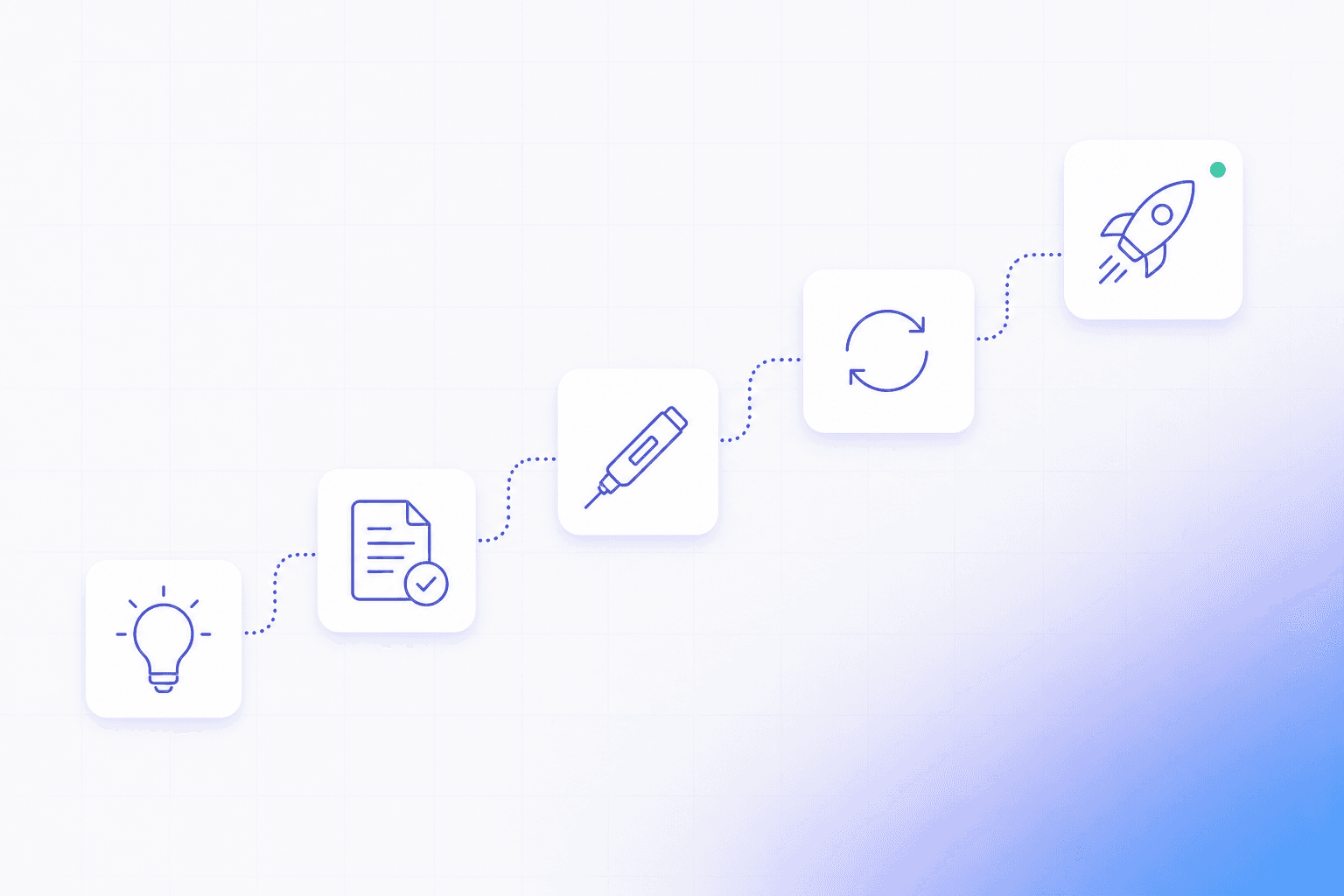
A successful launch is built in layers. First define your offer, then connect technology, clinical delivery, and fulfillment, and finally install the workflows that turn initial demand into retention. Your provider network, onboarding steps, and follow-up systems need to work as one service, not separate vendors.
Step 1: Define your model and service offering
Before choosing tools, decide what you're actually selling. “Launching a GLP-1 clinic” is too vague; you need a specific DTC offer with clear positioning, care boundaries, and operating assumptions. Pick your model (branded clinic, white-label, or provider-partner), then define the range of services: evaluations, prescribing, follow-ups, messaging, labs, or coaching. At minimum, your offer should answer who it's for, what problem it solves, and what's included beyond medication access.
Step 2: Set up technology, website, and patient portal
Build the digital path patients will actually use. Your website should explain the service in simple language and route people into a secure intake flow; a weak front end creates drop-off before care even begins. Keep the portal simple, patients should be able to upload history, review next steps, and message the care team without confusion. Every extra click increases abandonment, staff burden, and support costs.
Step 3: Build your clinical team and partnerships
A GLP-1 brand can't run on marketing alone. It needs licensed provider support, clear clinical leadership, and dependable capacity. Some operators hire directly; others work through provider networks that already support telehealth at scale. Your clinical build should include:
- A licensed provider structure with defined prescribing responsibility.
- Provider networks that absorb volume without long wait times.
- Medical partnerships that stay aligned with evolving evidence and clinical trials.
Step 4: Establish secure prescription and fulfillment
Prescription workflows should feel seamless to the patient and highly controlled behind the scenes. Once a provider completes an evaluation, order review, pharmacy routing, refill timing, and status communication must move quickly. Design workflows that connect providers, support staff, and pharmacies through a shared process, not disconnected handoffs, and keep an eye on affordability, since out-of-pocket costs remain a major barrier.
Step 5: Create onboarding and follow-up protocols
Onboarding is where your operation proves it's a clinic, not just a funnel. Patients need a consistent intake process that gathers history, sets expectations, and routes cases to the right pathway. Follow-up matters just as much, GLP-1 programs involve titration, side-effect review, and behavior support. Build protocols around:
- Intake steps that capture eligibility, prior treatments, and goals.
- Follow-up sequences for symptom review, progress tracking, and care-plan updates.
Building a competitive DTC GLP-1 program
Success depends on more than access. Many offers sound alike, so your program needs sharper branding, cleaner pricing, and a stronger support story. Weight-loss decisions are emotional, financial, and practical at once, so vague positioning hurts conversion and a weak service model hurts retention.
Branding and positioning
Positioning starts with clarity. Are you a premium guided program, a fast-access service, or a broader digital health brand adding metabolic care? People compare pricing, speed, support tools, and provider involvement, and they notice whether a brand speaks like a healthcare operator or a commodity seller. Focus on a simple brand promise tied to patient support, and positioning that highlights the full experience: access, follow-up, and convenience.
Transparent pricing and subscriptions
Pricing confusion kills trust. Patients often face separate charges for membership, medical evaluation, and medication, so if your pricing page hides those distinctions, churn begins before treatment does. Subscriptions smooth revenue and support repeat engagement, but they need to be clear about what's included: provider access, messaging, follow-ups, fulfillment support, or all of the above. Spell it out.
Support tools: nutrition, coaching, and tracking
The category is moving toward support ecosystems, not medication-only access. That doesn't mean building a bloated platform; it means reinforcing the care plan with services that make behavior change more manageable, such as nutrition guidance and coaching or tracking features that reinforce adherence and progress.
Marketing your GLP-1 launch
Marketing should match the maturity of your operation, if fulfillment, provider access, or pricing are weak, more traffic just exposes the problem faster. In weight-loss telehealth, digital advertising and conversion design carry more weight than broad awareness. GLP-1 search is crowded with patient-comparison content, so operators need a different angle: business-facing pages around launching, scaling, fulfillment, provider networks, and DTC infrastructure. Prioritize:
- High-intent operator and partnership terms, not only patient keywords.
- Landing pages built around business value and transparent offers.
- SEO that connects weight-loss demand with telehealth operations.
Trust often moves faster through proof than brand claims. Reviews, testimonials, and case-based messaging reduce uncertainty, and influencer partnerships work best when they support credibility rather than replace it. Strong follow-up systems improve retention and satisfaction, so your reputation compounds and paid media doesn't have to carry everything.
Maximizing profitability and scaling
Profitability in GLP-1 comes from disciplined delivery, not just demand capture. The businesses that scale best streamline onboarding, reduce provider friction, and layer services that strengthen retention. Quick-start options exist through white-label infrastructure and partner-led delivery, but scaling only works when revenue is supported by repeatable systems and real value.
Trust is a margin driver: when patients believe your process is legitimate, they convert with less friction and stay longer. Make best practices visible from the first touchpoint through refill management, show that licensed providers lead prescribing, explain what the program includes, and use plain-language policies with consistent follow-up. Finally, design for simplicity, a friction-light interface plus structured ongoing care makes patients feel supported, not processed.
Frequently asked questions
What are the first steps to starting a GLP-1 telehealth business?
Define your weight-loss offer, target audience, and operating model. Then secure legal advice, licensed clinical coverage, pharmacy support, and a digital health platform that can manage intake and follow-up. Medical practices may move faster, but every telehealth business needs clear compliance and workflow design.
What staffing or medical partnerships are required?
You need providers who can evaluate eligibility, prescribe when appropriate, and manage follow-up. Many operators rely on provider networks for scale. A licensed provider structure is essential, and clinical partnerships should stay informed by evolving evidence, including findings from relevant clinical trials.
What legal considerations should I be aware of?
Focus on state licenses, prescribing authority, pharmacy relationships, and documented medical oversight. Legal advice helps define the clinical structure and protect the standard of care across all states served. Also understand how health plans, out-of-pocket payment, and fulfillment responsibilities affect your model.
What technology platforms or tools are recommended?
Look for telehealth platforms that connect intake, scheduling, care, messaging, and prescription workflows. Strong systems also integrate EHRs and support asynchronous messaging for efficient follow-up. The best tools reduce friction for providers and patients while keeping operations visible and easy to manage.